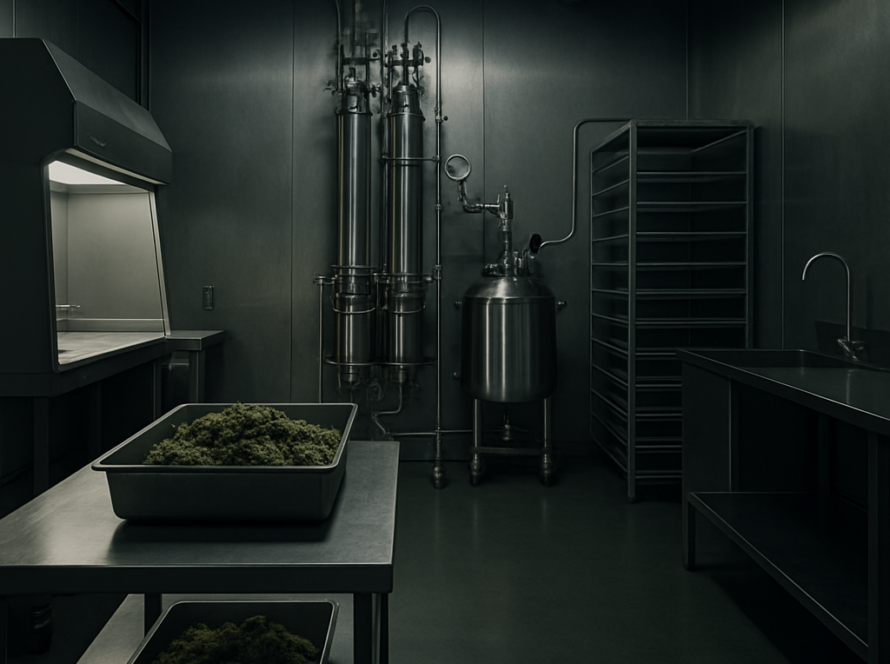
At LimeLine, we know that the drying and curing process is critical for producing boutique-tier cannabis flower in Minnesota. By meticulously controlling the environment and adhering to best practices, we ensure that our strains, like Twin Cities Haze and Isanti Frost, shine with rich terpene profiles and potent effects. Here’s how we approach drying and curing to create exceptional flower that meets the discerning tastes of our customers.
Understanding the Basics of Drying and Curing
When we talk about drying and curing cannabis, we’re referring to two distinct but interconnected processes. Drying is about removing moisture from freshly harvested cannabis, while curing is about enhancing flavor, aroma, and potency over time. At LimeLine, we’ve established a protocol that starts with creating the right environment: we maintain our drying rooms at 60°F with 60% relative humidity (RH). This balance is crucial for preventing mold while ensuring a slow, even drying process that preserves cannabinoid and terpene content.
The Drying Process: Setting the Stage
Our drying process begins immediately after harvesting. We carefully trim the buds and hang them in our controlled environment. During the first few days, we focus on monitoring the humidity and temperature closely. What we’ve found is that if the humidity drops too low, we risk degrading the terpenes and affecting the overall quality of the flower. After about five to seven days, the buds reach a point where they snap rather than bend — that’s our cue for the next phase.
After the initial drying, we move the buds to airtight containers for curing. This is where the real magic happens. We’ve established a minimum curing period of 14 days, but we often extend this to 21 days or longer based on the strain and our assessments. Each day during the curing phase, we open the containers (a process we call “burping”) to allow fresh air in and help dissipate any excess moisture. This “burping” not only helps to prevent mold but also encourages the development of flavors and aromas that our customers love.
Embracing Cold-Cure Techniques
In recent years, we’ve also begun to explore cold-cure methods to further enhance our product quality. Cold curing involves keeping the cured flower at a lower temperature to preserve terpenes and cannabinoids better. By maintaining a cooler environment, we’ve noticed that the flower retains more of its natural aromas and flavors. This method aligns perfectly with our mission to craft boutique cannabis products that emphasize quality over quantity.
Humidity Control: The Key to Success
Humidity control is paramount throughout the drying and curing process. Too much humidity can lead to mold, while too little can cause the flower to dry too quickly, resulting in harsh smoke and diminished flavor. We keep a close eye on humidity levels, using hygrometers and dehumidifiers as needed to maintain the ideal conditions. We’ve found that staying within that 60% RH range during drying and adjusting slightly during curing (around 62-65% RH) delivers the best results.
Connecting Curing Quality to Retail Value
As we consider the retail landscape in Minnesota, it’s clear that the quality of our drying and curing processes directly impacts the price we can command for our products. Consumers are increasingly educated about cannabis and are willing to pay a premium for high-quality, well-cured flower. Our investments in drying and curing technology, combined with diligent practices, enable us to position our products as top-tier offerings in the market. For example, our Twin Cities Haze has gained a reputation not just for its potency but for its exquisite flavor profile, which we attribute to our meticulous curing process.
Learning from the Boutique Cultivation Community
As founding members of the Minnesota Cannabis Coalition, we’re proud to collaborate with other boutique cultivators who share our commitment to quality. We often exchange insights and techniques that help elevate our craft. For instance, the principles outlined in our guide on Cannabis Strain Selection for Minnesota Climate and Market serve as a foundation for understanding how different cultivars respond to our drying and curing methods. Each strain, whether it’s Isanti Frost or another local favorite, brings unique challenges and opportunities in terms of drying and curing.
Conclusion
In summary, our approach to drying and curing cannabis at LimeLine is a carefully calibrated process that emphasizes quality and attention to detail. From maintaining optimal environmental conditions to embracing innovative techniques like cold curing, we continuously refine our methods to produce the best possible flower. As Minnesota’s cannabis market grows, we’re excited to see how our commitment to quality will continue to resonate with consumers looking for premium products.
If you’re a Minnesota cannabis brand evaluating co-pack or contract manufacturing partners, this is the work we do every week at LimeLine. Brief us — we’ll come back with a real lead-time number, MOQ, and what your first sample run looks like.