Understanding the Minnesota Cannabis Mezzobusiness License
The Minnesota cannabis mezzobusiness license is specifically designed for operators looking to integrate multiple aspects of the cannabis supply chain, including cultivation, manufacturing, retail, and delivery. This license tier under OCM rules allows for a more diverse operational footprint, making it ideal for those who want to engage in various facets of the industry while maintaining a manageable scale. At LimeLine, we see this license as a powerful opportunity for small to mid-sized operators who want to grow their brand and offer a unique selection of products. It’s essential to recognize that this license not only opens doors but also brings with it the obligation to maintain the highest standards of quality and compliance.
What Does the Mezzobusiness License Entail?
Under OCM rules, specifically Chapter 342, the mezzobusiness license permits operators to cultivate up to 1,500 square feet of canopy. This is a significant step up from the small operator cannabis license in MN, which has stricter canopy limits. With the mezzobusiness license, we can engage in more robust cultivation practices while still adhering to compliance requirements. This is particularly beneficial for us as it allows for strategic planning around our crop cycles and customer demand.
What’s particularly appealing about this license is the ability to control the entire process, from seed to sale. We can cultivate our own cannabis, manufacture various products, and sell directly to consumers through retail and delivery services. This vertical integration helps us maintain quality and consistency across our offerings, something we prioritize at LimeLine. For instance, we’ve developed proprietary blends that showcase the unique characteristics of our cultivars, such as Isanti Frost and Northwoods Reserve, allowing us to create a product line that resonates with our customer base.
Canopy Limits and Vertical Integration
The canopy limit of 1,500 square feet provides ample space for operators to cultivate a diverse range of cultivars. This flexibility allows us to experiment with different strains, such as our popular Apostle Islands OG and Twin Cities Haze, all while staying within the legal limits set forth by the OCM. The ability to cultivate in this way also means we can focus on quality and craftsmanship, rather than just volume, which aligns with our boutique approach to cannabis. We’ve found that a smaller, more controlled canopy allows for meticulous attention to detail in our cultivation practices, which is crucial for developing the rich terpene profiles that our customers love.
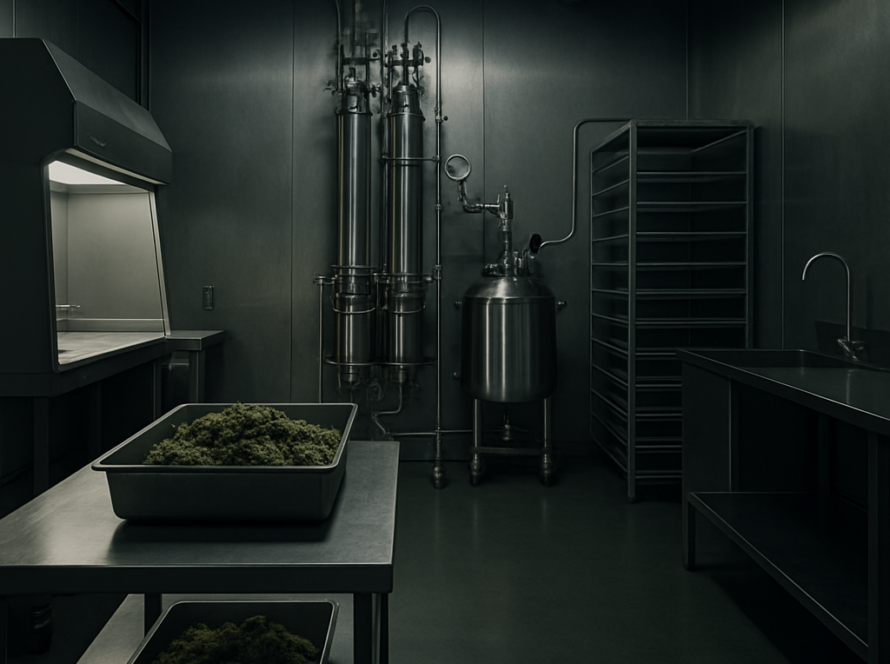
Vertical integration is a game changer for small operators in Minnesota. With the mezzobusiness license, we don’t just grow; we also extract, produce edibles, and even offer tinctures and topicals. This full-spectrum approach means we can control every aspect of our product line, ensuring that our customers receive the highest quality goods. For example, we can create a line of infused beverages that leverage our unique cultivars, ensuring that each product reflects our commitment to quality. It’s a model that has served us well, particularly as we navigate the complexities of compliance and market demands. Our cold-cure extraction process, for instance, optimizes the retention of terpenes and cannabinoids, allowing us to produce premium-quality live rosin that stands out in the marketplace.
Application Fees and Considerations
Applying for the mezzobusiness license comes with certain fees that potential applicants should be aware of. While the exact amount can vary, we’ve seen fees in the range of $5,000 to $10,000. It’s essential to factor these costs into your business plan. At LimeLine, we’ve found that a well-prepared application can lead to smoother approval processes, so we recommend taking the time to thoroughly understand the requirements outlined in Chapter 342 of the OCM rules. The initial investment can be daunting, but it’s important to view it as part of the broader picture of establishing a sustainable business.
Moreover, we’ve seen that applicants should also be prepared for a rigorous vetting process. The OCM looks closely at business plans, operational procedures, and compliance protocols. We’ve learned that having a robust internal workflow, such as our COA-on-label process, can significantly strengthen your application, demonstrating that you prioritize transparency and quality. Additionally, we advise potential applicants to clearly outline their marketing strategies and customer engagement plans, as these elements can differentiate you from other applicants. Having concrete examples of how you plan to connect with the local community can also bolster your application.
Who Is the Mezzobusiness License Best Suited For?
The mezzobusiness license is ideal for operators who wish to establish a comprehensive cannabis business without the overwhelming scale of a large operator license. This license caters particularly well to those who are passionate about crafting high-quality products and have a vision for their brand that extends beyond mere cultivation. At LimeLine, we believe this license is perfect for small operators who want to make an impact in the Minnesota cannabis market while retaining their craft identity. It allows for a personalized approach to business, where operators can directly interact with their customer base and receive immediate feedback on their products.
Additionally, this license tier can be a great fit for those already involved in other aspects of the industry, such as retail or delivery, who want to expand their operations further. By integrating cultivation and manufacturing capabilities, businesses can streamline their supply chain and enhance their product offerings, something we continually strive to achieve. For example, a retailer who has experience with product sales can leverage that knowledge to create a product line that meets the specific demands of their customer base, ensuring they remain competitive in a rapidly evolving market.
Challenges and Considerations for New Operators
While the mezzobusiness license presents numerous opportunities, it also comes with its fair share of challenges. New operators need to be acutely aware of compliance requirements under OCM rules, as even minor oversights can lead to significant penalties or delays in operation. For instance, we’ve seen applicants who did not fully grasp the regulations regarding packaging and labeling, which can lead to costly rework or product recalls. What matters is having a thorough understanding of the compliance landscape and ensuring that your operations are designed to meet these requirements from day one.
Another challenge is the initial investment in infrastructure. Setting up a cultivation facility that meets OCM standards involves substantial costs, from acquiring the right equipment to ensuring that your facility is designed for both efficiency and compliance. At LimeLine, we’ve learned that investing in quality systems upfront can save time and money in the long run. For example, implementing an advanced tracking system for our inventory has streamlined our compliance reporting and ensured we maintain accurate records, which is essential for both operational efficiency and regulatory compliance.
Conclusion
The Minnesota cannabis mezzobusiness license presents a unique opportunity for operators looking to engage in multiple aspects of the cannabis industry while maintaining a focus on quality and craftsmanship. With canopy limits set at 1,500 square feet and the ability to vertically integrate cultivation, manufacturing, and retail, this license is perfectly suited for those wanting to make their mark in Minnesota’s growing cannabis landscape. As we’ve seen at LimeLine, the key to success lies in attention to detail, compliance with OCM rules, and a commitment to delivering exceptional products to our customers.
If you’re a Minnesota cannabis brand evaluating co-pack or contract manufacturing partners, this is the work we do every week at LimeLine. Brief us — we’ll come back with a real lead-time number, MOQ, and what your first sample run looks like.