When it comes to cannabis extraction methods, the debate between solventless and solvent-based techniques is more than just a matter of preference; it’s about aligning your brand’s identity with the right extraction process. At LimeLine, we’ve navigated both avenues and understand the nuances that come with each, making it crucial for brands to decide which path resonates with their mission, quality standards, and market positioning.
Understanding the Extraction Methods
Before diving into the specifics of each method, let’s clarify what we mean by solventless and solvent-based extraction. Solventless methods, including ice water hash, dry sift, and rosin, rely on physical processes to separate the trichomes from the plant material. In contrast, solvent-based methods like Butane Hash Oil (BHO), CO₂ extraction, and ethanol extraction utilize solvents to dissolve the cannabinoids and terpenes from the plant.
CapEx and Equipment Needs
The capital expenditure (CapEx) for solventless and solvent-based extraction varies significantly. For us at LimeLine, investing in solventless extraction equipment, like our rosin presses, requires a lower initial investment compared to building a fully compliant BHO or CO₂ lab. Our rosin press, which we use to produce high-quality live rosin, is a straightforward setup but still demands precise control over temperature and pressure.
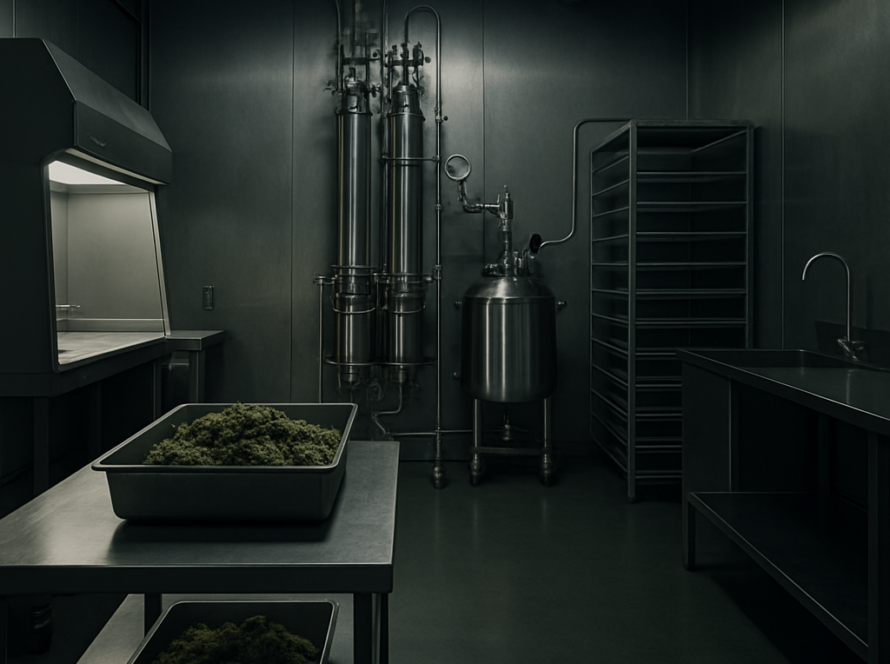
On the other hand, solvent-based extraction requires substantial investment in equipment, including closed-loop systems, vacuum ovens, and safety measures to handle flammable solvents. For instance, our BHO extraction lab is outfitted with advanced safety systems that ensure compliance with Minnesota regulations set forth under Chapter 342. This investment pays off in yield and versatility, but it does come with higher operational costs.
Yield and Efficiency
When comparing yields, solvent-based methods generally outperform solventless techniques. For example, our experience with BHO extraction has shown us yields ranging from 15-25% depending on the strain and input material quality. In contrast, yields for rosin can be much lower—typically around 5-10%—which can be a trade-off if you’re considering profitability. However, the premium quality of rosin, often sought after for its rich terpene profile, allows us to command higher prices in the marketplace.
Quality and Terpene Profiles
At LimeLine, quality is non-negotiable. Solventless extracts, particularly ice water hash and rosin, are celebrated for their purity and full-spectrum profiles. We’ve found that consumers are increasingly looking for products that preserve the plant’s natural terpenes without the interference of solvents. In our rosin production, we focus on fresh-frozen material that retains the plant’s full flavor profile, creating a product that’s both potent and aromatic.
On the flip side, solvent-based extracts can achieve high potency, but there is a risk of losing delicate terpenes during the extraction process. While we maintain rigorous standards to minimize this loss, the extraction method’s inherent nature can affect the final product’s flavor and aroma. For brands looking to position themselves as premium providers, the choice of solventless extraction becomes more apparent.
Operator Skill and Expertise
The skill level required for each extraction method can also influence your decision. Solventless techniques, like rosin pressing, require a keen understanding of temperature and pressure to maximize yield without compromising quality. Our team puts in countless hours honing their skills to ensure our products meet the high standards we set at LimeLine. This artisanal approach appeals to consumers who value craftsmanship and quality.
Conversely, solvent-based extraction methods demand a deeper understanding of chemistry and safety protocols. Operating a BHO lab, for example, requires comprehensive training to navigate the complexities of the closed-loop system and to ensure compliance with Minnesota’s regulatory framework. This can be a barrier to entry for some brands but also opens the door to producing larger batches efficiently.
Market Positioning: Boutique vs. Mass-Market
Ultimately, the choice between solventless and solvent-based extraction comes down to how you want to position your brand in the market. At LimeLine, we see solventless as the boutique, premium option—a way to offer something that stands out in a crowded marketplace. Our rosin products, for instance, cater to the discerning consumer who seeks high-quality, craft cannabis. This approach allows us to build a loyal customer base that values the unique qualities of our products.
Solvent-based extraction, however, serves as a reliable workhorse for brands looking to penetrate the mass market. The efficiency and scalability of BHO and ethanol extraction can help brands meet consumer demand while keeping costs manageable. This method can produce a variety of products, from vape cartridges to edibles, making it an attractive option for those aiming for broader distribution.
Conclusion
In the end, the choice between solventless and solvent-based extraction is a reflection of your brand’s core values and target audience. At LimeLine, we’ve embraced both methods to expand our product offerings and meet diverse consumer needs. What we’ve found is that while solventless extraction may require more finesse and artisanal skill, it aligns with our commitment to quality and craft. On the other hand, solvent-based methods provide the efficiency and yield necessary for scaling operations.
If you’re a Minnesota cannabis brand evaluating co-pack or contract manufacturing partners, this is the work we do every week at LimeLine. Brief us — we’ll come back with a real lead-time number, MOQ, and what your first sample run looks like.