QC playbook: in-process checks, lab-batch testing, sensory panels, water-activity for edibles, visual inspection for flower. Pass/fail criteria. What to do with failed batches (rework, repurpose, destroy). Record retention.
Allergen handling: top 9 FDA allergens in cannabis context, label disclosure, dedicated lines for high-risk allergens, cleaning validation, cross-contamination prevention. Reference standard food-safety practices applied to cannabis.
Ingredient strategy: cannabis must be MN-sourced (no interstate), but sugars, flavors, oils, etc. can come from anywhere. The brand-story value of “all-Minnesota” labeling. Allergen handling. Organic certification realities.
OCM rules on returns/refunds: generally no return of opened cannabis (chain-of-custody breaks), defective unopened product can be refunded with manifest reversal, recall refunds via store credit. Cover customer-service playbook.
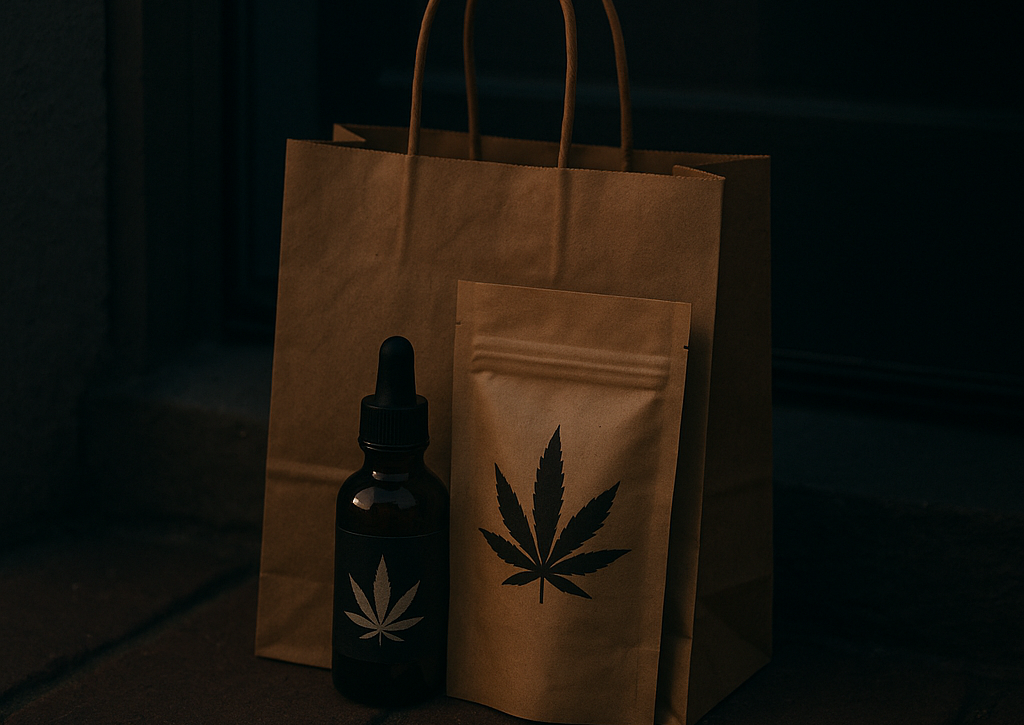
Walk through packaging: discreet kraft outer (no cannabis branding), tamper-evident manifest pouch, insulated insert with phase-change packs for cold chain, ID-required label visible to driver. Cite OCM packaging requirements.
Unit economics breakdown: average order value $80-120, driver cost $30/hour, 4-6 deliveries/hour at peak, drive-distance fees, route density. Compare urban (Twin Cities) vs. outstate. Where same-day breaks even.
Smoke Circles — Thursdays Anang Tasting Lounge · Carlton, MN Every Thursday the circle opens at Anang. Flower gets passed, notes get compared, and nobody is performing. Come with a question about terps — or just come sit down.