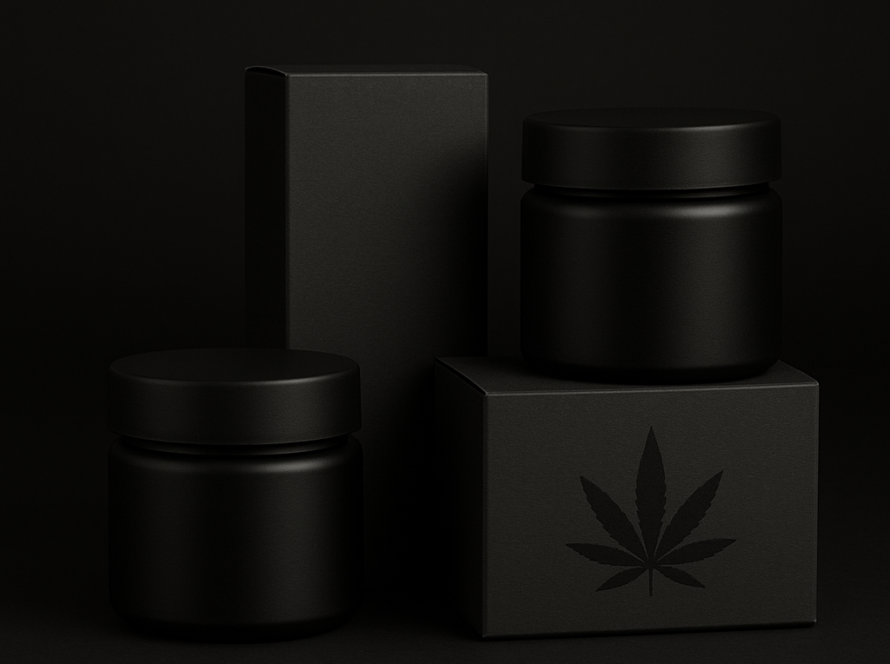
White-Labeling Cannabis Flower in Minnesota: Genetics, Terpenes, and Boutique Tier Branding
When it comes to white-labeling cannabis flower in Minnesota, we at LimeLine know that the right genetics and terpene profiles can make or break a brand. Whether you’re a budding entrepreneur looking to launch a new MN cannabis flower brand or an established player wanting to expand your product line, understanding the nuances of boutique tier branding is essential. From selecting exclusive cultivars to navigating minimum order quantities (MOQs), here’s how we approach the process of white-labeling cannabis flower from our Isanti homebase.
Choosing the Right Genetics
At LimeLine, we believe that the foundation of any successful cannabis flower product starts with the genetics. In Minnesota, the OCM has a wide array of approved cultivars, but not all of them will resonate with your target audience. When you partner with us, you have the option to choose from our existing menu or go for exclusive cultivars. We grow some standout options like Apostle Islands OG and Northwoods Reserve, both of which offer unique terpene profiles that appeal to boutique-tier consumers.
One key factor to consider is whether you want to select from our established strains or if you’re looking for something that’s entirely your own. For many brands, using our existing strains allows them to minimize risk while still delivering a product that aligns with their identity. However, if you’re ready to invest time and resources into developing an exclusive cultivar, we can help you navigate that process as well. It often involves more extensive growing cycles and additional testing, but the rewards can be significant. For instance, we recently worked with a brand that wanted to develop a unique strain with a specific terpene profile. The result was a limited-edition release that sold out within days, showcasing how exclusive genetics can create buzz and demand in the market.
Understanding Minimum Order Quantities (MOQs)
When we talk about white-labeling cannabis flower in Minnesota, we can’t ignore the realities of minimum order quantities (MOQs). At LimeLine, we typically set our MOQs in pounds, which can vary based on the specific strain and your branding goals. For a pilot batch, which can range from 1-3 lbs, we advise brands to consider this as a way to test the market without a massive upfront commitment. This is particularly useful for new MN cannabis flower brands that want to gauge consumer interest before scaling up.
What we’ve found is that starting with a small pilot batch allows us to gather valuable data on consumer preferences, such as which terpene profiles resonate and how the flower performs in various markets. This iterative approach keeps us agile and responsive to your branding needs. For example, we had a partner brand that initially launched with a pilot batch of our Isanti Frost. After analyzing sales data and customer feedback, they were able to refine their product offerings and increase their order size for subsequent launches, demonstrating the adaptive strategy that a focus on MOQs can facilitate.
Positioning: Boutique Tier vs. Mid-Tier vs. Value-Tier
The tier in which you position your cannabis flower product can significantly affect its marketability and pricing strategy. At LimeLine, we focus on a craft and boutique approach, prioritizing quality over scale. Our boutique-tier offerings, which include our top-cola single-bud options, are designed for brands that want to make a statement. These are the show-stoppers that consumers will remember and seek out. In contrast, mid-tier and value-tier products often rely more on volume and price competitiveness.
When we partner with brands, we often discuss their long-term vision. Are you looking to create a luxury experience, or are you more focused on accessibility? Understanding where you fit in the market helps us guide the cultivation and packaging processes so that the final product aligns with your branding strategy. Our experience tells us that boutique brands that emphasize unique terpenes and quality often command a premium price, which can significantly enhance margins. For example, a brand we collaborated with positioned itself as a luxury cannabis flower provider, emphasizing the artisanal nature of their product. They were able to set a price point that reflected the quality, ultimately achieving a higher profit margin than initially anticipated.
Terpene-Led Marketing
One of the standouts of our approach at LimeLine is our commitment to terpene-led marketing. What matters is not just the THC percentage but also the unique aroma and flavor profiles that terpenes bring to the table. With our extensive knowledge of terpenes, we help you highlight these characteristics in your branding and marketing efforts.
We know that consumers today are increasingly educated and looking for specific experiences with cannabis. For instance, if you’re interested in a strain that promotes relaxation, we can help you choose one with high levels of myrcene and linalool. By communicating these profiles clearly on your packaging, you can attract a more discerning customer base that values quality and uniqueness. Our COA-on-label workflow helps ensure transparency, which is increasingly important to consumers. A notable example is when we worked with a brand that highlighted the lemony notes of its chosen strain, leveraging these terpene attributes in digital marketing campaigns. The result was a spike in interest and engagement, emphasizing how effective terpene marketing can lead to higher customer loyalty.
The Importance of Packaging and Compliance
Once we’ve established the genetics, MOQs, and marketing approach, we turn our attention to packaging and compliance. Packaging is not just about aesthetics; it’s about compliance with OCM rules under Chapter 342 and creating a memorable unboxing experience for consumers. At LimeLine, we work closely with you to develop packaging that meets regulatory standards while also appealing to your target market.
We’ve learned that effective packaging tells a story. Whether it’s eco-friendly materials or unique designs that reflect your brand’s ethos, every detail counts. Our team ensures that the packaging complies with all necessary labeling requirements, including strain information, terpenes, and testing results. This level of transparency builds consumer trust and loyalty. Recently, we assisted a brand with designing custom packaging that not only met compliance standards but also featured vibrant artwork reflecting Minnesota’s natural beauty. The packaging became a talking point among consumers, illustrating how thoughtful design can elevate a product beyond its contents.
Brand Storytelling and Consumer Connection
As we delve deeper into the white-labeling process, we can’t overlook the significance of brand storytelling. Consumers today want more than just a product; they want to connect with a story. At LimeLine, we help brands articulate their narrative, which can be a powerful tool in differentiating from competitors. This storytelling can encompass everything from the sourcing of the genetics to the artisanal cultivation methods used.
For instance, one of our partners focused on their heritage as a local Minnesota brand by highlighting their commitment to sustainable farming practices and community support. By integrating this narrative into their marketing strategy, they fostered a deeper connection with consumers who value ethical considerations. The result was not just increased sales but also a loyal customer base that resonated with their mission. We believe that when brands share their journey, it creates authenticity and encourages consumer engagement.
Real-World Examples and Insights
As we’ve worked with various brands, we’ve seen firsthand how different approaches yield different results. For example, one of our recent partners decided to focus on a value-tier product line, opting for high-yield cultivars that appealed to cost-conscious consumers. While they experienced decent sales, they found product differentiation challenging.
In contrast, another brand that focused on boutique-tier offerings using our top-cola single-bud options saw a much higher return on investment. By emphasizing the unique characteristics of their chosen strains, they carved out a niche market that was willing to pay a premium. This experience reinforced our belief that understanding your brand’s identity is crucial in the white-labeling process.
At LimeLine, we also keep an eye on market trends. For example, we’ve noticed a growing interest in craft cannabis brands, which often focus on small-batch productions and unique genetics. This trend aligns well with our operational model, allowing us to cater to brands that want to stand out in a crowded marketplace. We recently launched a limited-time offering of a rare strain that quickly gained traction among connoisseurs, showing how tapping into trends can lead to successful product launches.
Feedback Loop and Iterative Development
One of the most critical aspects of white-labeling cannabis flower is establishing a robust feedback loop. At LimeLine, we encourage our partner brands to actively seek consumer feedback post-launch. This can involve social media engagement, customer surveys, or even direct interactions at local events. The insights gained can be invaluable.
For instance, after launching a new strain, we advised one brand to gather customer feedback through an online survey. The results revealed that consumers loved the strain’s flavor but were looking for larger package sizes. Acting on this feedback, the brand adjusted their offering, leading to a 30% increase in sales during the next quarter. This iterative approach not only helps in refining the product but also demonstrates to consumers that their opinions matter, fostering loyalty.
Conclusion
White-labeling cannabis flower in Minnesota is an exciting opportunity for brands willing to invest in quality and differentiation. At LimeLine, we’re committed to helping you navigate the complexities of genetics, MOQs, positioning, and compliance. Our boutique focus ensures that you’ll receive products that not only meet regulatory standards but also resonate with consumers.
Building a brand and wondering what working with LimeLine looks like? Tell us about the brand — we’ll come back with sample-run terms, MOQ, and a realistic lead-time number. No sales script.