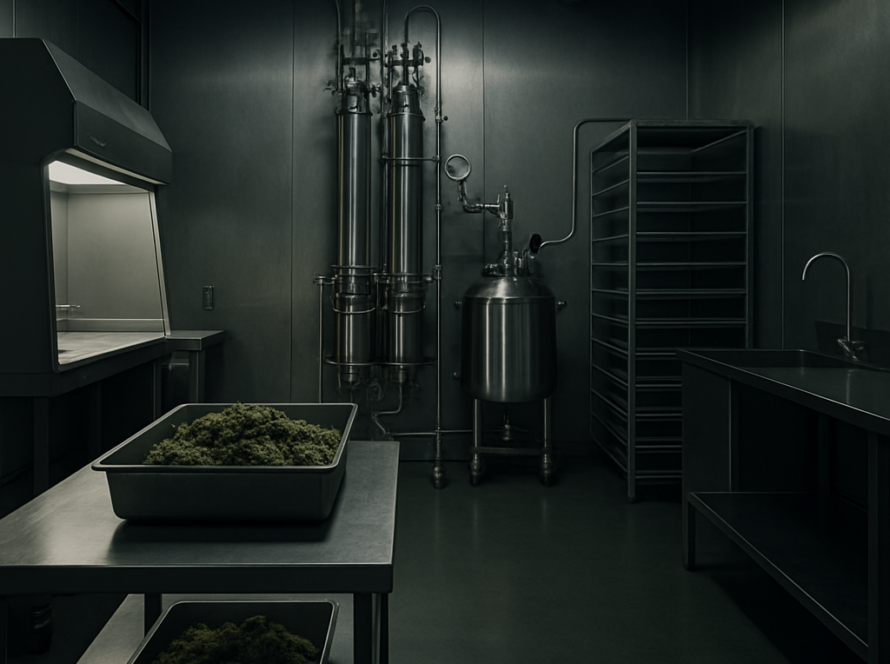
At LimeLine, we take pride in producing high-quality live rosin that showcases the full spectrum of cannabis terpenes and flavors. The journey from fresh-frozen cannabis to the final cold-cure rosin product involves several meticulous steps, each designed to preserve the plant’s integrity and capture its unique characteristics. Let’s walk through the live rosin process, highlighting how we do it with our Isanti Frost strain and the techniques that set us apart.
The Harvest: Starting with Fresh-Frozen Cannabis
The foundation of great live rosin is the quality of the starting material. We meticulously select our cannabis plants, ensuring they are at their peak ripeness for harvest. For our Isanti Frost strain, known for its aromatic profile and robust effects, timing is everything. Once we make the cut, we immediately flash-freeze the flowers in our facility to lock in the cannabinoids and terpenes. This step is crucial, as it halts the degradation of these compounds, setting the stage for a superior extraction.
What truly sets our harvest process apart is our attention to detail. We monitor the trichome development closely, using a magnifying loupe to assess the maturity of our Isanti Frost. We look for a mix of cloudy and amber trichomes, which indicates peak potency and flavor. Our harvest team is trained to respond quickly to changing conditions, ensuring we capture our plants at their optimal state. This commitment to quality extends beyond just the plant itself; we also ensure that our harvesting tools and environment are clean and sterile, minimizing any risk of contamination.
Flash-Freezing: Why It Matters
Flash-freezing is not just a convenience; it’s a vital part of our process. By quickly bringing the temperature down to -20°F (-29°C) or lower, we preserve the delicate trichomes that hold the terpenes and cannabinoids. It’s essential that we avoid any thawing before extraction, as even a brief exposure to warmer temperatures can lead to a loss of potency and flavor. This is where our commitment to quality shines, as we ensure that the fresh-frozen cannabis remains intact until it’s ready for the next step.
To achieve this level of precision, we utilize a commercial-grade flash freezer that can handle large batches of cannabis without compromising temperature integrity. This equipment not only allows us to freeze our material quickly but also ensures uniformity across batches. We’ve found that any inconsistency in temperature can lead to variances in extraction quality, which is why we’ve invested in top-tier technology to maintain our high standards.
Ice Water Wash: Extracting the Hash
Once our cannabis is frozen, we move on to the ice water wash, which is one of the more complex yet rewarding phases of the live rosin process. We use ice and water to agitate the frozen cannabis in a series of large containers. This agitation breaks off the trichomes from the plant material, allowing them to sink to the bottom. The key here is using the right micron screens to filter the material effectively. At LimeLine, we typically employ 73μ for a more refined extraction, capturing the most desirable trichomes while also experimenting with 90μ pulls for a slightly different flavor profile. This choice depends on the specific characteristics we want to highlight in the final product.
During this phase, we carefully monitor the agitation process, as over-agitating can lead to undesirable plant material mixing with the trichomes. We’ve learned through experience that gentle, consistent agitation yields the best results. Additionally, we perform multiple washes, starting with a coarse screen and progressively moving to finer ones to ensure that we extract the maximum amount of trichomes while minimizing contaminants. Each wash is a learning opportunity, and we regularly review our yield data to optimize our methods.
Freeze-Drying the Hash: Preserving Quality
After we’ve collected our hash from the ice water wash, it’s time for freeze-drying. This process is essential to remove any residual moisture without applying heat, which could harm the sensitive terpenes we’ve worked so hard to preserve. We utilize a state-of-the-art freeze-dryer that allows us to maintain a controlled environment. In about 24 to 48 hours, the hash is transformed into a brittle, dry form that is ready for pressing. This step ensures that the quality of our product is maintained, and we can confidently move forward to the pressing phase.
We also conduct regular quality checks during the freeze-drying process to ensure that our hash is drying evenly. One of the biggest challenges we’ve faced is ensuring that the hash is completely dry before pressing, as any residual moisture can lead to a less-than-ideal yield and affect the flavor profile of the final rosin. We often experiment with different drying times and conditions to find the perfect balance that best suits our Isanti Frost strain.
Pressing: Low Temperature and Pressure
When it comes to pressing the freeze-dried hash into live rosin, we take a careful and calculated approach. We use hydraulic presses set to low temperatures (around 160°F to 190°F) and moderate pressure. This method helps to extract the essential oils without overheating the material, which can lead to terpene degradation and loss of flavor. The pressing process typically lasts between 60 to 120 seconds, depending on the moisture content and desired yield. At LimeLine, we’ve found that this duration strikes the right balance between maximizing yield and preserving the high-quality profile of our product.
We’ve also developed a pressing protocol that includes pre-pressing the hash into pucks to ensure even distribution of pressure. This technique prevents blowouts and allows us to maximize the extraction efficiency. We’ve even experimented with varying pressure levels and durations to fine-tune our process for different strains, finding that each strain reacts uniquely to pressing. This adaptability is crucial in our pursuit of quality, as it allows us to tailor our techniques to the specific characteristics of the cannabis we’re working with.
Cold-Curing: The Final Touch
After pressing, we don’t just stop there. The cold cure process takes our rosin to the next level. We place our fresh rosin in jars and let it cure for 48 to 72 hours at low temperatures. This allows for a more refined flavor profile to develop as the terpenes stabilize and meld together. The curing process also helps to improve the consistency, making it easier to work with during packaging and enhancing the overall user experience. What we’ve learned through our experiments is that cold-cured rosin tends to retain a more vibrant terpene profile, resulting in a product that is rich in flavor and aroma.
The curing environment is another critical aspect of this stage. We maintain a controlled temperature and humidity level in our curing room to prevent any unwanted changes to the rosin. We’ve learned that even slight fluctuations can impact the final product. Our process includes regular monitoring and adjustments to ensure that the curing conditions remain optimal. After the curing period, we conduct sensory evaluations to assess the aroma and flavor, which helps us refine our process even further.
The Impact on Final Product Quality
Throughout the entire live rosin process, our focus remains on terpene preservation and overall product quality. Each step is designed to minimize the introduction of heat and maintain the integrity of the cannabinoids and terpenes. Our commitment to these principles is what distinguishes LimeLine in the Minnesota cannabis market. We’ve seen firsthand how careful attention to detail translates into a product that not only meets but exceeds expectations in terms of flavor and potency. Our Isanti Frost live rosin, for example, is celebrated not just for its THC content but for the nuanced flavors and aromas that reflect the care we put into every step.
In our experience, consumer feedback plays a pivotal role in shaping our production methods. We actively engage with our customers to understand their preferences and experiences with our products. This feedback loop allows us to continuously improve our processes, ensuring that we’re not just meeting industry standards but setting them. We believe that this dedication to quality and responsiveness to consumer input is what truly positions LimeLine as a leader in the Minnesota cannabis scene.
Understanding the Market Demand for Live Rosin
The rise in popularity of live rosin reflects a broader trend in the cannabis industry towards premium, solventless products. At LimeLine, we recognize that consumers are becoming increasingly discerning, seeking products that not only deliver on potency but also provide a rich sensory experience. This shift has influenced our approach to marketing and product development.
We’ve noticed that Minnesota consumers, in particular, have a strong affinity for products that highlight local cultivars and unique flavor profiles. This insight has led us to prioritize transparency in our production process, providing detailed information about our strains and extraction methods on our packaging. We want our customers to feel confident in what they’re consuming, and we believe that educating them about our craft helps to build trust and loyalty.
Conclusion: Crafting Quality Live Rosin
Producing live rosin is both an art and a science, requiring a deep understanding of the cannabis plant and the extraction process. At LimeLine, we have honed our techniques to ensure that every batch of live rosin we produce is a testament to our commitment to quality and craft. From the moment we harvest our fresh-frozen cannabis to the final cold-cured product, each step is executed with precision and care. We believe this dedication is what makes our live rosin a standout choice for consumers seeking the best that cannabis has to offer.
If you’re a Minnesota cannabis brand evaluating co-pack or contract manufacturing partners, this is the work we do every week at LimeLine. Brief us — we’ll come back with a real lead-time number, MOQ, and what your first sample run looks like.